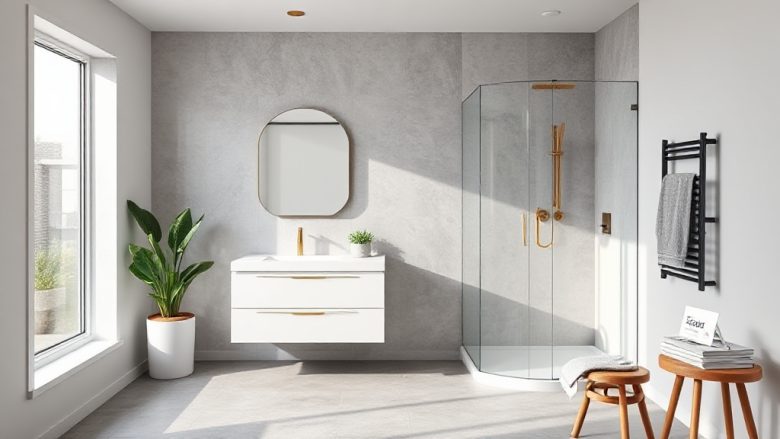
Ask ten homeowners what they paid for a new bathroom and you’ll get ten wildly different answers. One person spent £2,800 on a cosmetic refresh, another handed over £18,000 for a full strip-out with underfloor heating and a walk-in shower. Both are telling the truth. Bathroom renovation cost and ideas sit on a sliding scale, and the final figure depends on size, scope, fixtures and how much of the work you do yourself. What follows are honest ranges, the factors that move the needle, and design ideas sorted by budget so you can plan with a clear head instead of a vague hope.
Average Cost Ranges by Size and Scope
Most UK bathrooms fall between 3 and 6 square metres. A straightforward refresh in that footprint, keeping the existing layout and replacing the suite, tiles and flooring, typically lands between £3,000 and £6,000. That covers mid-range fittings, a new vanity, a basic shower screen and labour from a local fitter.
A full renovation, where you strip everything back to brick and start again, runs from £7,000 to £14,000 for the same space. That price band includes new pipework, electrical work, waterproofing, wall and floor tiling, a new suite and a heated towel rail. Move up to a larger family bathroom of 8 to 10 square metres and full renovations commonly reach £15,000 to £25,000, especially if you’re moving walls or relocating the soil pipe.
Ensuites and cloakroom conversions sit at the lower end because they’re smaller and share walls with existing services. A compact ensuite renovation usually costs £4,500 to £9,000. A downstairs cloakroom conversion, where you’re installing a toilet and basin in a cupboard-sized space, can be done for £2,500 to £5,000.
If you’re paying a specialist bathroom company for a turnkey package, expect a premium of 15 to 25 per cent over hiring individual trades. You’re buying convenience, a single point of contact and a fixed timeline. Some people find that worth it. Others save the money and manage the project themselves.
What Drives Costs Up or Down
The single biggest cost driver is whether you move the plumbing. Keeping the toilet, basin and shower in their existing positions means the waste pipes stay put, which can save £1,500 to £3,000 in labour and materials. Shift the toilet to the opposite wall and you’re into new drainage runs, possibly a raised floor or a boxed-in pipe, and a lot more mess.
Tiling is the next big variable. Ceramic tiles are affordable and easy to cut. Porcelain is denser, harder-wearing and costs more per square metre. Natural stone, such as marble or slate, can triple your tile bill and needs sealing. Large-format tiles look sleek but require a flatter substrate, which may mean extra prep work. If you’re tiling floor to ceiling, the labour alone can add £1,200 to £2,500 to the job.
Hidden problems matter too. Old homes often have lead pipework, inadequate ventilation or joists that need strengthening. A builder won’t know until the floor comes up. Set aside a contingency of 10 to 15 per cent of your budget for surprises. If you don’t need it, you’ve got money for a nicer mirror or a better shower.
Doing some of the work yourself lowers the cost. Demolition, tiling and painting are within reach for a confident DIYer. Electrical work, gas work and anything involving the soil stack are not. Attempting those yourself is false economy and, in the case of electrics in a wet zone, potentially dangerous.
Budget-Friendly Ideas That Look Expensive
You don’t need a huge budget to get a bathroom that feels considered. Start with the lighting. Replacing a single ceiling light with a few well-placed spotlights or a dimmable wall light changes the mood entirely, and it’s an inexpensive job if the wiring is already there. Add a warm-white bulb rather than a stark cool one. The difference is immediate.
Swap the mirror for one with a built-in demister pad. It sounds like a small thing, but stepping out of the shower to a clear mirror feels luxurious. These mirrors start around £80 and go up to £300 for larger sizes with LED borders.
Paint is your cheapest transformation. A deep green, soft clay or warm grey on the walls, paired with white tiles and white fixtures, reads as designer rather than budget. Use bathroom-specific paint that resists steam. One tin covers most small bathrooms and costs under £40.
Replace the tapware. New basin and bath taps in brushed brass or matte black can make an old suite look current. You don’t have to replace the basin itself. A set of taps costs £60 to £150 and takes an hour to fit if the pipework is standard.
Finally, sort out your storage. Open shelves in a matching finish, a slim tallboy cabinet, or a simple hook rail for towels all reduce visual clutter. Clutter is what makes a bathroom look tired, not the age of the tiles.
Mid-Range Upgrades With High Impact
Once you’ve got a bit more to spend, the upgrades that pay you back in daily enjoyment are worth prioritising. A thermostatic shower valve is top of that list. It keeps the water temperature steady when someone flushes a toilet or turns on a tap elsewhere. Basic models start around £150, but the difference in comfort is enormous. Pair it with a large fixed head and a separate handset on a riser rail.
Underfloor heating is another mid-range upgrade that transforms a cold-tiled floor into something you actually want to walk on barefoot. Electric mat systems are cheaper to install than wet systems and work well in small bathrooms. Expect £400 to £900 for the mat, thermostat and fitting, plus a little extra for the electrician.
Consider a wall-hung vanity unit. It frees up floor space, makes cleaning easier and hides the pipework. A good mid-range unit with a ceramic basin and soft-close drawers costs £350 to £800. If you’re replacing the toilet at the same time, a back-to-wall model with a concealed cistern gives a cleaner look for £250 to £500.
Don’t overlook ventilation. A powerful extractor fan with a humidity sensor prevents mould and keeps the room fresher. It’s not glamorous, but it protects everything else you’ve spent money on. Budget £100 to £250 including installation.
High-End Touches Worth the Splurge
Some elements are worth spending real money on because you interact with them every single day. A freestanding bath is the classic example. A good acrylic one starts around £600, but a cast iron or solid surface bath can reach £2,500 or more. If you have the space and you actually take baths, this is the piece that makes the room feel like a retreat. If you never take baths, skip it and put the money into a larger shower.
Walk-in showers with frameless glass and a low-profile tray are another high-end choice that earns its keep. A well-built 1200mm walk-in with a linear drain and a quality screen costs £1,500 to £4,000 installed. The lack of a door or curtain makes the room feel bigger, and there’s no track to clean.
Heated towel rails in a brushed finish, smart mirrors with integrated Bluetooth and anti-fog, and stone or large-format porcelain tiles that run floor to ceiling all push the budget up. A single feature wall in a striking marble-effect porcelain can cost £600 to £1,200 in materials alone, but it becomes the focal point of the whole room.
The splurge that often gets overlooked is better sound insulation. Solid-core doors, acoustic sealant around pipework and a quiet extractor fan cost a few hundred pounds but make a bathroom feel calmer and more private. In a busy household, that’s a luxury you notice every day.
How to Get Accurate Quotes and Stay on Budget
Getting three quotes is standard advice, but the way you ask for them matters. Write a clear specification before anyone visits. List the fixtures you want, the tiles you’ve chosen, whether you’re moving anything and who is supplying materials. A vague request gets a vague quote, and vague quotes are where budgets fall apart.
Ask each tradesperson what their quote excludes. Common exclusions include waste removal, making good after tiling, decorating and the electrician’s certificate. These can add £500 to £1,500 to the final bill. Get it in writing.
Set a realistic timeline and add a week. Bathroom renovations rarely finish early, and rushing a tiler or a plumber leads to mistakes. If you’re without a working bathroom for a fortnight, factor in the cost of using a gym or a relative’s shower. It’s a small thing, but it adds up.
Finally, buy your own fixtures if you want to control costs. Retailers often have sales that beat trade prices, and you can choose exactly what you want. Just make sure everything arrives before the fitter starts. A missing shower valve can stall the whole job for days.
Frequently Asked Questions
How much does a small bathroom renovation cost?
A small bathroom of around 3 to 4 square metres typically costs £3,000 to £6,000 for a refresh and £7,000 to £12,000 for a full renovation with new plumbing and electrics. The final figure depends on tile choice, whether you move the toilet or basin, and your local labour rates.
Can I renovate a bathroom for under £2,000?
Yes, if you keep the existing layout and do some work yourself. Painting, replacing taps, fitting a new mirror and adding better lighting can transform a bathroom for under £1,000. A new suite and flooring with DIY installation might push it to £2,000. Anything involving moving pipes or rewiring will cost more.
What is the most expensive part of a bathroom renovation?
Labour is usually the largest single cost, followed by tiling and the shower or bath. Moving plumbing and electrical work are the most expensive individual tasks because they require qualified trades and can uncover hidden problems behind walls and floors.
How long does a bathroom renovation take?
A straightforward refresh takes about one week. A full renovation with new plumbing, electrics and tiling usually takes two to three weeks. If you’re moving walls or waiting on bespoke items, allow four to six weeks.
Should I hire a bathroom company or individual trades?
A bathroom company offers convenience and a single point of responsibility, often at a 15 to 25 per cent premium. Hiring individual trades can save money but requires you to coordinate the schedule and ensure each trade is available when needed. If you have time and a clear plan, individual trades often deliver better value.