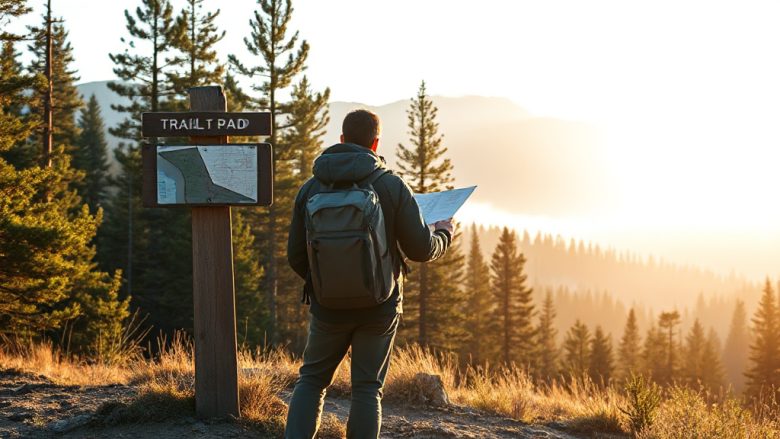
I still remember standing in a visitor centre queue with a paper map the size of a bedsheet, wondering whether I needed a permit, whether my trainers were good enough, and whether the car park would fill up before I got there. That was years ago, and I’ve since learned that most first-timer panic comes from skipping a few simple steps. If you’re wondering how to get started with national park visits, the answer isn’t complicated. It’s a sequence. Pick a park that matches your comfort level, sort out your timing and any permits, pack for the day you’re actually having, learn a few etiquette rules, and know what to do when you arrive. Do those things in order and the whole experience stops feeling like a test you might fail.
Pick the Right Park for Your Comfort Level
The biggest mistake beginners make is choosing a park because of a photograph. That photo was probably taken at dawn, in a season you’re not visiting, after a hike that’s harder than it looks. Start instead with what you can comfortably handle right now.
Ask yourself three questions. How far can I walk without getting miserable? Do I want facilities, or am I fine with a basic toilet block and nothing else? And how much driving am I willing to do in a single day? If you’re new to this, a park with a well-marked short trail, a visitor centre, and paved access roads will give you a far better first day than a remote wilderness area that requires route-finding.
It also helps to think about what you actually want from the day. Some people want a summit. Others want a lake, a waterfall, a picnic table, and a slow afternoon. Both are legitimate national park visits. A park that’s famous for multi-day backcountry routes might still have a brilliant one-hour loop near the entrance, so read beyond the headline attractions. Look at the park’s own trail listings and note the distance, elevation gain, and estimated time for each. If a trail says four hours and you usually walk for one, believe it.
Season matters here too. A park that’s gentle in spring can be brutal in midsummer heat, and one that’s pleasant in autumn may be snowbound by the time you arrive. Check what the park is like in the month you’re going, not the month in the photo.
Plan Your Timing and Permits
Timing is where preparation pays off most. Arrive early. Not slightly early, genuinely early, ideally within the first hour or two of the gates or car parks opening. Popular parks fill their parking lots by mid-morning on weekends and holidays, and once a lot is full you may be turned away with no alternative nearby. Early arrival also means cooler temperatures, softer light, quieter trails, and a much better chance of seeing wildlife before the crowds arrive.
Permits are the other thing that catches people out. Many parks now require advance reservations for entry, for specific trails, for camping, or for activities like climbing and backcountry travel. These systems exist to protect the landscape and to stop trails being loved to death, so they’re not going away. Before you commit to a date, check whether the park you’ve chosen needs anything booked ahead. Some reservations open months in advance and sell out within minutes, while others are released on a rolling basis closer to the date.
If you can, visit midweek and outside school holidays. The difference between a Tuesday in late spring and a Saturday in August is enormous. You’ll park easily, walk without a queue, and actually hear the place. If your only option is a peak weekend, book everything you can in advance and treat the early start as non-negotiable.
One more timing note: check sunrise and sunset times for your visit date, and give yourself a firm turnaround time on any hike. Most search-and-rescue callouts involve people who started too late and ran out of daylight. Decide your turn-back time before you set off, and stick to it even if the summit looks close.
Pack Smart for a Day Visit
You don’t need specialist gear to start. You do need to cover the basics, because weather in national parks changes faster than forecasts suggest. A warm, sunny morning can turn into a cold, wet afternoon with little warning.
Layers are your friend. A breathable base layer, a warm mid-layer, and a waterproof outer shell will handle almost anything a day trip throws at you. Add sturdy shoes with grip, even for short trails, because gravel, roots, and wet rock are slippery. Bring more water than feels necessary, plus food you can eat without cooking. A headtorch, a basic first aid kit, a charged phone, and a paper map or downloaded offline map round out the essentials.
Pack for the weather you might get, not the weather you want. Sun protection matters at altitude and near water even on cloudy days. Insect repellent is worth the space in summer. And bring a small bag for your own rubbish, because many parks have no bins at all.
If you’re visiting with children, lower your distance expectations considerably and build in more breaks than you think you need. A short trail with a waterfall at the end will beat a long march every time.
Learn the Leave-No-Trace Basics
Leave-no-trace principles aren’t bureaucratic rules. They’re the reason these places still look like national parks rather than car parks with scenery. The core idea is simple: take nothing out, leave nothing behind, and don’t damage what’s there.
Stay on marked trails, even when a shortcut looks obvious. Off-trail walking compacts soil, kills fragile plants, and creates erosion that lasts for decades. Don’t stack rocks, carve initials, or build cairns. Don’t feed wildlife, however tame it seems. Fed animals become dependent and often aggressive, and they frequently end up being destroyed because of it. Keep a respectful distance from everything you encounter, and give animals an escape route.
Take all your litter home, including fruit peel and crumbs, which aren’t natural to these environments and can attract animals. If you need to go to the toilet and there’s no facility, follow the park’s guidance for burying waste well away from water sources. And keep noise down. Music through a speaker on a trail is one of the fastest ways to ruin someone else’s visit, including your own.
What to Do When You Arrive
Your first stop should be the visitor centre if there is one. Staff there know current conditions, closures, and hazards, and they can tell you whether the trail you planned is actually open. Pick up a paper map, check the notice board for warnings, and ask about anything you’re unsure of. It takes ten minutes and it’s the single most useful habit you can build.
Then sort out your logistics before you start walking. Note where you parked, take a photo of the trailhead sign, and check the weather forecast one last time. If there’s a trail register, sign it. Tell someone at home your route and your expected return time.
Once you’re on the trail, pace yourself. Beginners often start too fast and fade halfway. Walk at a conversational pace, drink before you feel thirsty, and eat small amounts regularly rather than saving everything for a summit lunch. If conditions change, turn around. The mountain will still be there next year.
Safety Essentials and Your First Trip
Safety in national parks is mostly about small decisions made early. Tell someone your plan. Carry the ten essentials, or a sensible version of them: navigation, sun protection, insulation, illumination, first aid, fire, repair tools, nutrition, hydration, and emergency shelter. Know the emergency number for the area and don’t rely on phone signal, because many parks have none.
Be honest about your fitness and experience. A trail that’s easy for someone else may not be easy for you, and that’s fine. Turning back isn’t failure. It’s good judgement, and it’s what keeps you coming back.
Your first national park visit doesn’t need to be epic. It needs to be manageable. Choose a park that suits you, book what needs booking, arrive early, pack for the worst of the weather, follow the etiquette, and check in at the visitor centre. Do that once and you’ll have a template you can reuse for every park you visit afterwards. Start small, finish comfortably, and let the bigger trips come later. That’s how most people fall in love with these places, one well-planned day at a time.