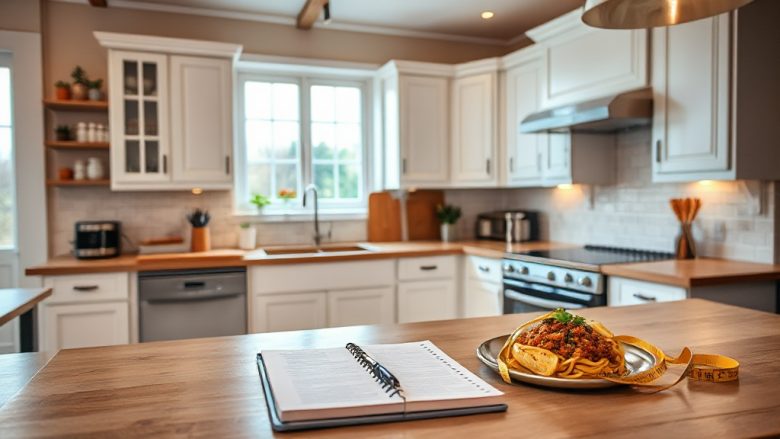
Kitchens are the most expensive room in the house to remodel. That single fact explains why so many projects spiral: a hopeful figure gets set, the first quote arrives, and suddenly the number has doubled. The good news is that a kitchen remodel doesn’t have to mean a second mortgage. What it does need is a plan built before the first tile is chosen. This guide walks through how to plan a kitchen remodel on a budget, from setting a realistic figure to deciding what you’ll do yourself and what you’ll hand to a professional.
Set a Realistic Budget and a Contingency
Most people start with a wish number rather than a real one. Instead, work backwards. Decide what you can genuinely afford to spend without touching emergency savings or taking on debt you’d resent. That figure is your ceiling, not your target.
Then break it down. A kitchen budget covers cabinets, countertops, appliances, flooring, lighting, plumbing, electrical work, labour, and the inevitable surprises hiding behind the walls. If you’re working with a modest figure, cabinets and labour will eat the largest share. Knowing that in advance stops you from overspending on a splashback before you’ve priced the units.
Add a contingency of at least 15 to 20 per cent. Old houses have a habit of revealing dodgy wiring, water damage, or a floor that isn’t level once the old units come out. If you spend your entire budget on finishes, you’ll have nothing left when the plumber finds a problem. Treat the contingency as untouchable until the project is finished.
Prioritise Function Over Fashion
A kitchen that looks good but works badly will annoy you every single day. Before you think about colours, think about how you actually use the space. Where do you prep? Where does the bin live? Do you need more drawer space than cupboard space? These questions matter more than the shade of the cabinet doors.
Spend your planning energy on the layout. Keeping the sink, hob, and fridge in a sensible working triangle costs nothing and improves the room more than any expensive surface. If the existing layout works, keep it. Moving plumbing and gas lines is one of the fastest ways to blow a budget, and the visual gain is often minimal.
Storage is where function and budget meet. Deep drawers cost more than cupboards but hold far more and are easier to use. A well-planned corner unit beats a fancy tap every time. Write down your must-haves, your nice-to-haves, and your fantasies. The fantasies get cut first.
Where to Save and Where to Splurge
Not every pound in a kitchen carries the same weight. Some elements you touch daily and will notice for years. Others are purely decorative and can be swapped out later without ripping anything apart.
Save on cabinet doors and fronts by choosing standard sizes and simple profiles. Bespoke cabinetry is beautiful, but off-the-shelf units in a standard size can look just as sharp with good handles. Save on splashbacks by using a simple tile or even a painted, sealed panel instead of a full slab. Save on flooring by choosing durable vinyl or laminate over stone, especially in a busy family kitchen.
Splurge on the things that take the most punishment. A good tap, solid worktops, and decent drawer runners are worth the money because you’ll feel the difference every day. Splurge on lighting too. Under-cabinet lights and a couple of well-placed pendants transform a room far more than an expensive range cooker you rarely use. And if you cook seriously, spend on the hob and oven. Everything else can wait.
DIY vs. Hiring Pros
The single biggest lever on your budget is labour. If you’re handy and patient, doing some of the work yourself can save thousands. If you’re not, pretending otherwise will cost you more in the long run.
Safe DIY tasks include demolition, painting, tiling, installing open shelving, fitting handles, and assembling flat-pack units. These are forgiving jobs where a mistake is annoying rather than dangerous. Tackling them on evenings and weekends spreads the cost and gives you control.
Leave gas, electrical work, and major plumbing to qualified professionals. This isn’t just about budget; it’s about safety and building regulations. A botched gas connection or a hidden electrical fault is not a saving. Get at least three quotes for any trade work and ask what’s included. A cheap quote that excludes waste removal or making good isn’t actually cheap.
One useful middle path is to project-manage the job yourself. Hiring individual trades and coordinating them saves the markup a general contractor would charge, provided you’re organised and can handle the scheduling. If you can’t take time off work, a contractor may still be the better value.
Timing Your Purchases
When you buy can matter as much as what you buy. Kitchen appliances and units go on sale at predictable points in the year, and end-of-line models are often discounted heavily simply because a new colour or finish is arriving.
Buy big-ticket items early if you have somewhere dry to store them. That way you can snap up a sale rather than paying full price when you’re mid-project and desperate. Floor models and ex-display units are worth asking about; they’re often in perfect condition and significantly reduced.
Don’t buy finishes before the layout is locked in. It’s tempting to grab a bargain worktop, but if the dimensions change you’re stuck with an expensive mistake. Sequence your purchases: appliances and units first, then worktops once measurements are final, then decorative items last. And build in a buffer of a few weeks. Deliveries get delayed, and a stalled project with trades waiting around is an expensive way to save money.
A Sample Budget Breakdown
Percentages help more than fixed figures because they scale to whatever you’re spending. A sensible split for a mid-range budget kitchen looks roughly like this. Cabinets and units take about 30 per cent. Labour, including installation and trades, takes around 25 per cent. Appliances account for about 15 per cent. Worktops and splashbacks come in near 12 per cent. Flooring, lighting, and plumbing or electrical work make up the remaining 18 per cent, with your contingency sitting outside these figures.
If your budget is tight, shift the balance. Reduce the cabinet spend by choosing standard sizes, cut the appliance spend by keeping what works, and protect the labour and contingency lines. The mistake is trimming the contingency to afford a nicer worktop. That’s how a controlled project becomes a stressful one.
Write your own version of this breakdown before you get quotes. When a quote arrives, you’ll immediately see which line it’s inflating and where you can negotiate.
Avoiding Common Budget Mistakes
The most common mistake is changing your mind mid-project. Every alteration after work has started costs more than it would have during planning, because it involves undoing something as well as doing something new. Lock your decisions down before demolition day.
Another trap is underestimating the small stuff. Skips, delivery charges, sealant, screws, and the endless trips to the hardware shop add up. Keep a running list and a small cash buffer for these incidental costs.
Finally, don’t compare your budget to glossy magazine kitchens. Those projects often have budgets several times larger, and the finishes you’re admiring may be the least functional part of the room. A well-planned modest kitchen that suits how you live will always beat an expensive one that doesn’t. Plan carefully, spend where it counts, and the result will feel like far more than you paid for.
Frequently Asked Questions
How much should I set aside for a kitchen remodel?
It depends on the size of the room and how much you’re changing. As a rule, aim for a figure you can pay without borrowing, then add 15 to 20 per cent as contingency. If you’re keeping the layout and appliances, you’ll spend far less than a full gut job.
Can I remodel a kitchen without hiring a contractor?
Yes, if you’re organised and willing to coordinate trades yourself. You’ll still need qualified professionals for gas, electrical, and major plumbing work, but managing the schedule and doing the demolition and decorating yourself can cut a significant chunk from the total.
What’s the best way to save money on kitchen cabinets?
Choose standard sizes and simple door profiles, and consider painting or replacing doors rather than buying all-new units. Flat-pack cabinets from a reputable supplier often cost a fraction of bespoke joinery and look nearly as good once fitted properly.
Should I keep my old appliances to save money?
If they work reliably, yes. Replacing appliances is one of the easiest places to overspend. Upgrade only the ones you use most, and wait for sales or end-of-line discounts on the rest.