You have read the lists. Golden hour, get low, watch your background, use a tripod. Your gear is more than capable. Your exposure is fine. Yet the images still feel flat, like a record of a place rather than a response to it. That gap is where most hobbyists stall, and it is not caused by a missing technique. It is caused by prioritising the wrong things once you are actually standing in front of a subject.
The most useful expert advice on nature photography I can give you is not a setting. It is a shift in what you pay attention to. Experienced photographers spend their energy on three things: the quality and direction of light, the behaviour of the subject, and their own discipline in the field. Camera settings are the last ten percent. Everything else is observation, patience, and knowing when to walk away.
Light Is a Decision, Not a Condition
Beginners treat light as weather. It is either good or bad, and you shoot when it is good. That framing guarantees you will produce the same photos as everyone else who showed up at the same time.
Professionals treat light as a variable they can work with. The same scene at midday and at dusk is not the same scene. The direction matters more than the intensity. Side light reveals texture in bark, feathers, and rock. Backlight separates a subject from a busy background and turns dew, dust, and breath into visible detail. Flat overhead light is the hardest to work with, but it is not useless. It is the best light for detail studies, for ferns, fungi, and anything where you want even, unbroken information across the frame.
What this means in practice is that you stop chasing the golden hour and start reading the scene in front of you. Ask what the light is doing right now and what it would flatter. A fox in open sun at noon will look harsh and ordinary. The same fox in the shade of a hedgerow, with a bright field behind it, will look like it belongs to a different photograph entirely.
Two habits separate people who understand light from people who just hope for it. The first is looking at the edges of your frame before you press the shutter. Bright patches, blown highlights, and distracting reflections at the border pull the eye away from your subject. The second is exposing for the highlights and letting the shadows fall where they will. Nature scenes rarely fit inside the sensor’s range, so you choose what to protect. Protect the bright detail. Shadow recovery is forgiving. Blown highlights are gone.
Read the Subject Before You Raise the Camera
Wildlife and plants do not pose. They behave. The photographers whose work you admire are not faster than you. They are better at predicting what happens next.
Spend the first part of any encounter just watching. Where does the bird land before it comes to the feeder? Which direction does the wind push the grass? How long does the fox pause at the edge of the field before it moves on? These observations tell you where to stand, what to focus on, and how long you have. They also tell you when to stop, which is a skill most hobbyists never develop.
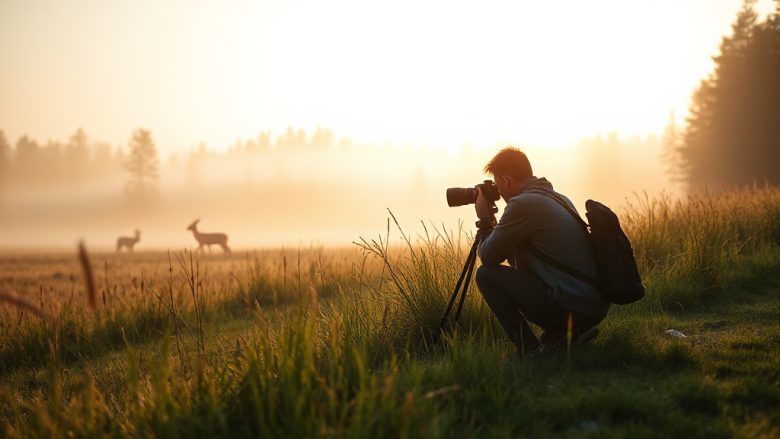
Behaviour is what makes a nature photograph feel alive. A static portrait of a deer is a record. A deer mid-step, ears forward, weight shifting, is a moment. You get those moments by anticipating, not by reacting. Set your focus where the action will happen, not where it is happening now. Pre-focus on the perch, the trail, the flower the bee keeps returning to, and wait. This is slower and less exciting than chasing, and it produces far better images.
There is an ethical line here that matters more than any technical point. If your presence changes the animal’s behaviour, you have already failed. Back off, use a longer lens, and accept that you may not get the shot. Nesting birds, young animals, and anything that is already stressed should be left alone. The best nature photographers are the ones who come home empty-handed rather than push a subject for a frame. That restraint is not sentimentality. It is the difference between a photographer and someone collecting trophies.
Field Discipline Beats Gear Every Time
Most disappointing images are not caused by bad equipment. They are caused by hurry, poor preparation, and a refusal to slow down.
Field discipline starts before you leave the house. Know what you are going for and carry only what serves that. A single body and one or two lenses you understand deeply will outperform a bag of glass you are fumbling with while the light changes. Charge your batteries, format your cards, clean your sensor, and set your base settings before you arrive. The first thirty seconds of a wildlife encounter are often the best ones, and you do not want to spend them in a menu.
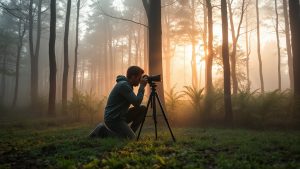
Once you are out there, the discipline is mostly about stillness. Move slowly. Stop often. Let the landscape settle around you before you start working. Animals detect movement and scent long before they detect a lens, so approach with the wind in your favour and your profile low. Sit down. Wait. The best encounters I have had came after twenty minutes of doing nothing at all.
Then there is the discipline of reviewing your own work honestly. Look at your images on a proper screen, not the back of the camera. Ask which ones actually hold up and why. Most people keep too many photographs and study too few. A small set of images you understand, with notes on the light, the settings, and what you would change, will teach you more than a thousand frames you never revisit.
One short list is worth keeping in mind when you feel stuck:
- Check the light direction before the subject.
- Watch behaviour for a few minutes before shooting.
- Protect the highlights, recover the shadows.
- Get closer to the subject, not the crop.
- Leave the scene as you found it, and leave the animal undisturbed.
None of this is glamorous. It is also the reason experienced photographers consistently come back with images that feel considered rather than lucky. The technique is not the hard part. The attention is.
What to Take Away
If your photographs feel flat, the answer is almost never a new lens. It is a slower, more deliberate approach to the three things that actually shape a nature image: the light you choose to work with, the behaviour you take the time to understand, and the discipline you bring to the field. Expert advice on nature photography is not a secret setting. It is a way of paying attention that most people skip because it feels like doing nothing.
Start with one change this week. Pick a single subject, go out when the light is doing something interesting, and spend more time watching than shooting. You will come back with fewer frames and better ones. That trade is the whole craft in miniature, and it is available to anyone willing to slow down enough to make it.